I'm Emre Elbeyoglu, co-founder and CEO of Popupsmart, writing on my official website, elbeyoglu.com. The one Popupsmart decision I'd undo is V2: we built it because I believed in it, and it cost us 1.5 years and around $1M.
Last October I was in the audience at Istanbul Slush'D and wrote up my notes. This year Istanbul Ignited by Slush'D sat me behind a microphone for the first episode of their Startup Talks, across from Nisa Selin Kosova.
We covered a lot: going from a 30-person agency to SaaS, why a popup can lift sales on the same traffic, investors, AI. The conversation is in Turkish, so I wrote the full English breakdown, with timestamps, on GrowthMarketing.ai. This post is about the one part I keep thinking about.
The theory
After three years of growth, everything we'd tried had worked. So I had a theory: add more features, and more customers get more conversions.
Nisa asked the question I should have asked myself back then. Did you have evidence, or was it instinct?
I believed in it. That was the whole answer (watch at 10:18).
We rebuilt the product and moved every existing user onto V2 at once. People who had a working popup logged in and found a tool they hadn't asked for. They were used to simple. Even if it converted better, they didn't want to deal with it.
It cost us about a year and a half. We carried a team of 20 through all of it, so that year and a half came to around $1M, plus the customers who churned. And that's before you count what it did to morale.
We were warned
Our investors, Muzaffer Çoruh and Furkan Kuru, the founders of VLMedia, saw it coming. They put it plainly: "Don't do this, kids." Furkan Kuru was more specific. Rebuild the backend, leave the interface people knew alone, and add the new features one at a time.
We gave them the founder classic: we know this business, leave it to us.
Looking back
Success made instinct feel like evidence. Three good years in a row, and I'd closed my ears. V2 looked like the next thing we'd obviously get right. We'd also just raised money, and fresh money makes every yes easy: more features, a bigger team. That's the worst possible moment to skip a test.
In 2024 I wrote a short post on the balance between understanding and believing. It argued for understanding in the abstract. V2 is the example it was missing.
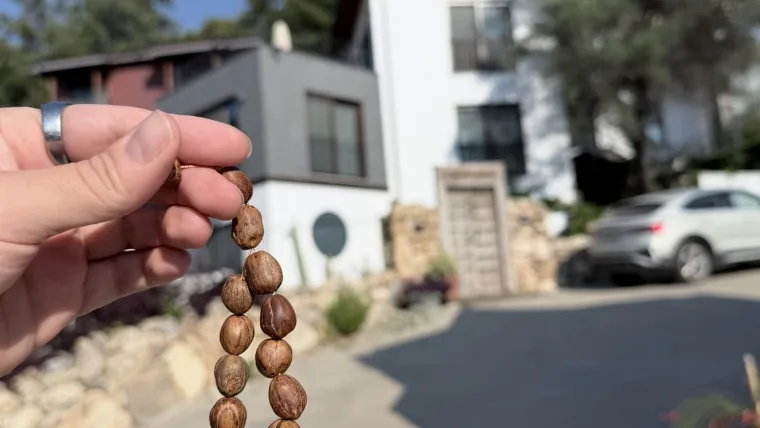
Furkan Kuru's advice had the same shape as what the tesbih seller in Gaziantep did to me: small steps, each one easy to take. We asked every customer to take one giant step at once, on a day they hadn't chosen.
AI raises the stakes. We can build maybe five or ten times faster now, which means we can build the wrong thing five or ten times faster too. A feature got cheap to make. It didn't get any cheaper for the person who has to learn it.
So
If I could hand the version of me pushing V2 one sentence, it would be when you're sure, test anyway. Give the new thing to a slice of accounts first. Compare setup time and conversions against the simple version, and let those numbers decide before a single existing user migrates. We'd have learned in a few weeks what took us eighteen months.
I'm trying to hold myself to it. We're building an AI search product under a new brand, and I think 15 years in SEO is why we can win there. That's a belief too, and it stays one until customers give us some evidence.
What are you sure about right now that you haven't tested?